

Backstory

When Did the Second Movement of Beethoven's Seventh Symphony Become "Sad Music"?
Beethoven marked the second movement of his Seventh Symphony "Allegretto — a trifle lively," yet for two centuries it has mostly been played at a solemn, near-funereal pace. Guided by a recent reception-history study (van der Zanden 2025), the article traces how the colloquial nickname "Andante," used by early reviewers, took on a life of its own and dragged down both the tempo and the movement's meaning. It follows the trail through Gelinek's variations, Habeneck's substitution of the movement into another symphony, the associations of Berlioz and Schubert, and above all Anton Schindler, who forged entries in Beethoven's conversation books to pass off a "pious Andante" as the master's own wish. It surveys the competing programmatic readings — Marx's funeral procession, Schumann's wedding — that all pushed the music toward slowness and weight. Closing with the movement's twentieth-century rehabilitation, it offers a way to distinguish the sadness that comes from the score from the sadness layered on by the nineteenth century.
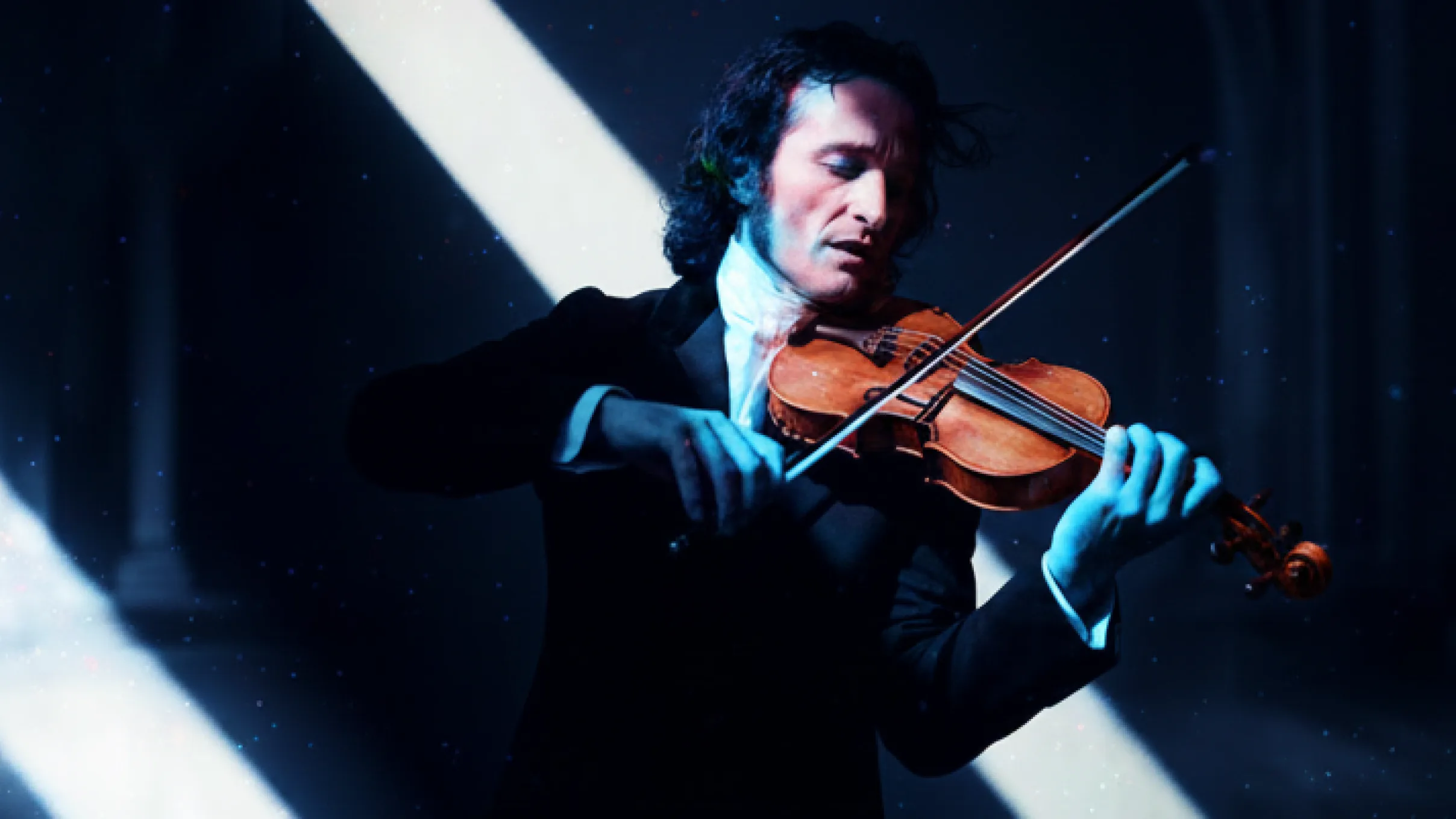
Paganini's Gauntlet
Niccolò Paganini's 24 Caprices, dedicated "to the artists," and above all its crowning Caprice No. 24 in A minor, serve as the thread for tracing how this plain theme was taken up by later composers. The article first sets out the genesis of Op. 1 and the "demonic" image that spread through Paganini's European tours. It then examines, in turn, Schumann's inward transcriptions written after a hand injury ended his performing career, Liszt's Grandes études de Paganini that pushed the caprices toward public, hall-filling virtuosity, Brahms's Variations on a Theme of Paganini that returned to the principle of variation, and Rachmaninoff's Rhapsody on a Theme of Paganini that carried the melody into the orchestra. It shows how a theme whose plain, recognizable contour survives any transformation became, across a century, a vessel for widely different styles.

The Opera That Shook an Era: Carmen
While Bizet's Carmen is widely beloved today as an accessible entry point to opera, its 1875 premiere was coldly received due to theater politics and media prejudice, and the composer died in despair. Bourgeois society rejected its sexual expression and the protagonists' defiance of social order, yet these very rebellious elements against dominant morality became the driving force for its enthusiastic reception within the Decadent movement. Nietzsche saw in the work an embodiment of life affirmation against Wagner's heavy Romanticism, praising Carmen's refusal to compromise her freedom in the face of death as amor fati. Recent scholarship reveals that the opera, composed while memories of the Paris Commune were still raw, functioned as a covert lieu de mémoire under censorship. Carmen's stripping away of deceptive veils to present raw reality was perhaps the true reason the work sent shockwaves through both philosophy and society of that era.
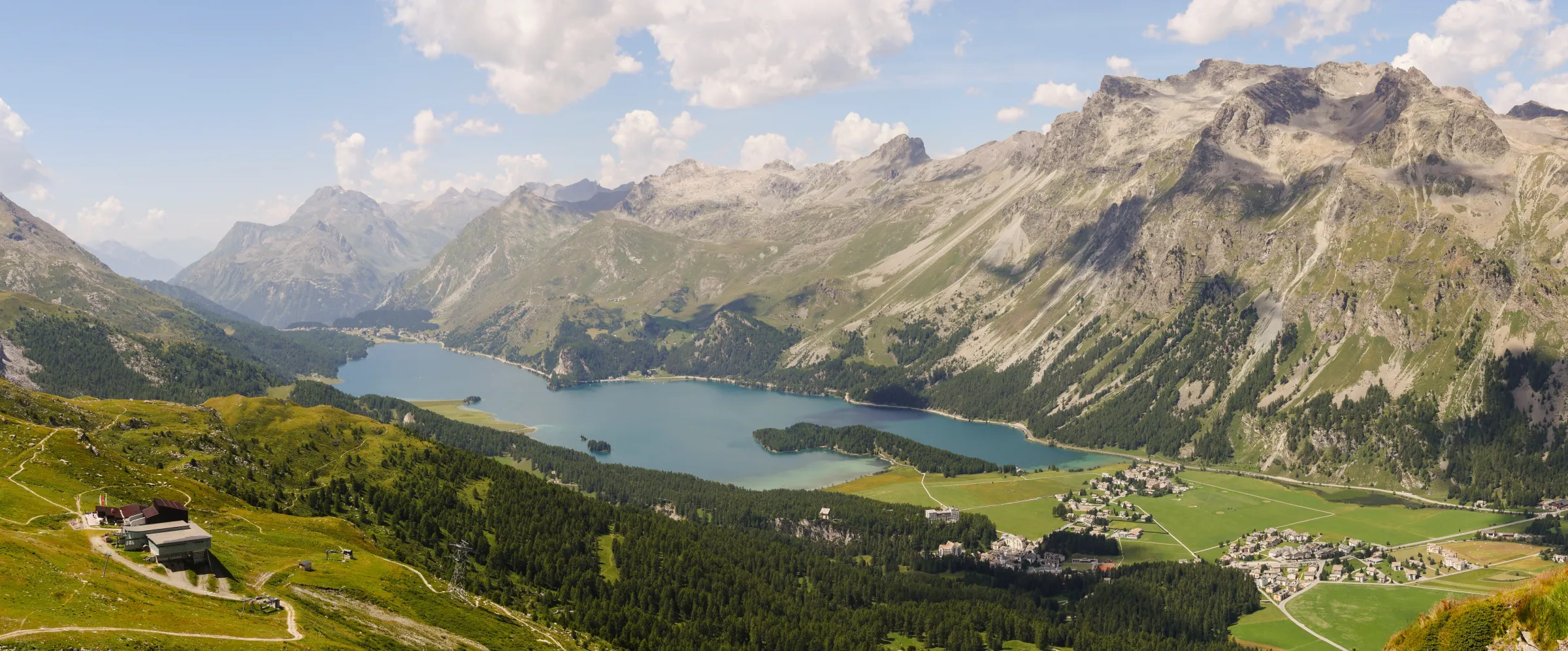
Is Richard Strauss's An Alpine Symphony Nietzschean?
Richard Strauss's An Alpine Symphony, Op. 64 (1915) is examined through the question of why Strauss tried to write the Alps into music, and how the philosopher Nietzsche stood behind that decision. The first half traces Nietzsche's break with Wagner, his discovery of Sils-Maria at the foot of the Alps where he conceived eternal recurrence, and his rejection as decadent of any music — Wagnerian and Schopenhauerian — that promises to lift listeners toward "something beyond this world." The second half follows Strauss's path into and gradual distancing from Wagnerism, his 1911 diary note calling the work "the Antichrist," and the scholarly disagreement (orthodox view vs. Charles Youmans's reassessment) over how deeply he actually read Nietzsche. The article then weighs the work's apparently Nietzschean features — exhaustive tone painting, a circular night-to-night structure — against its un-Nietzschean ones, including its Romantic exaltation and Strauss's gentler, Bavarian view of nature. It closes with the reading that Strauss took the vocabulary inherited from Wagner (the giant orchestra, the wind machine) and from Mahler (the symphony as a genre) and tried, with that same vocabulary, to write something quite different.
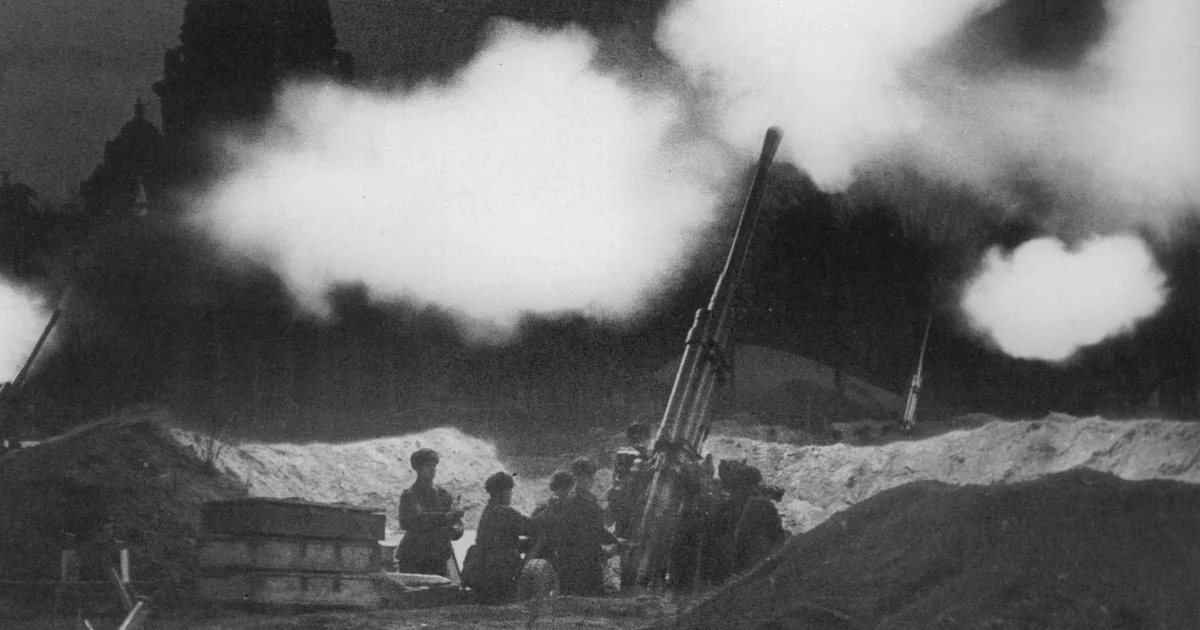
Shostakovich Symphony No. 7 "Leningrad" — Satire, Heroic Hymn, or Something Else
Shostakovich's Symphony No. 7 "Leningrad" famously builds its first movement around an "invasion theme" whose simple repeated structure recalls Ravel's Boléro. The article first describes that theme musically, then traces how the work — completed during the siege of Leningrad — was launched into the world from both the USSR and the Western Allies on a politically prepared foundation as a sonic emblem of anti-Nazi, anti-fascist resistance. It surveys the post-war and post-1990s reading of the work as covert satire of the Stalinist system, examining the principal pieces of evidence (Shostakovich's remarks via Glikman, Yasinovskaya/Mazel, and the contested testimony in Volkov's Testimony of 1979) and Laurel Fay's identification of internal contradictions in the Volkov source. Drawing on Taruskin's argument against reductive readings and Pauline Fairclough's reconstruction of the British reception history, the article concludes that the Seventh resists the binary of "satire or heroic hymn" and "anti-Nazi or anti-Stalinist," and that the work calls for a stance willing to hold multiple readings together without forcing them to exclude one another.
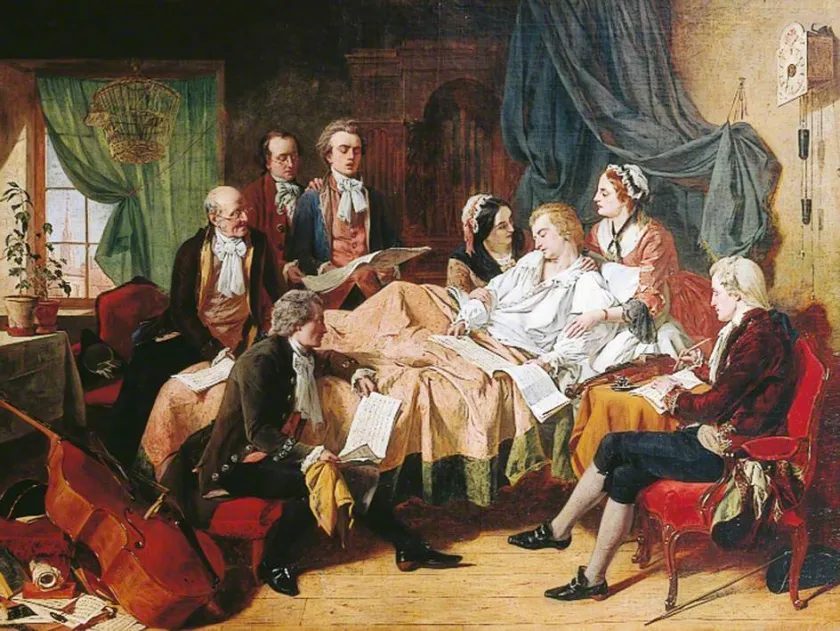
Mozart's Requiem — How the Image Was Made
Mozart's Requiem in D minor, K. 626, has long been received together with a set of dramatic stories: the genius haunted by a premonition, the grey messenger, the pen falling silent in the Lacrimosa. The article first lays out the documented history — Count Walsegg's anonymous commission, Mozart's death, the completions by Eybler and Süssmayr. It then traces how a liturgical sacred work came to be heard as a dying genius's personal expression, through three recent musicological perspectives: Eisen's account of nineteenth-century secularization read through changing paintings and performance contexts, Kramer's analysis of Kunstreligion and the secularized concept of Verklärung that placed Mozart alongside Raphael, and Keefe's view that legend and historical fact are now inseparable and should be read together. The closing argues that knowing which layer the familiar image belongs to — Mozart's time, the score, or the nineteenth-century framework — sharpens our sense of the work.

Sibelius Beyond the 'Finnish Forest': Symphony No.5
Sibelius is usually introduced as Finland's national composer and a singer of Nordic nature, but he held complex feelings toward both labels. The article first looks from the outside at how Sibelius was received — a Swedish-speaking outsider to the Finnish nationalist movement who nonetheless accepted a state pension, played along with the symbolic role, and was even invoked by his short Andante festivo being repurposed as state-ritual music. It then turns to his own resistance to being filed as merely Northern, showing how Sibelius situated himself within the European Symbolist current alongside Verdi and the wider continental tradition. Belonging to neither the late-Romantic camp nor the avant-garde, he carved out a third path: rather than imposing inherited forms onto music, he let themes grow stage by stage from fragments into completed shapes — what Hepokoski calls rotational form and teleological genesis, realized most clearly in the Fifth Symphony. The article re-reads Sibelius through these three angles and traces the unusual place from which he composed.

A Shared Birthday, A Shared Bottle: Tchaikovsky Met Brahms in Hamburg — and Reconsidered His Fifth Symphony
Tchaikovsky and Brahms shared a May 7th birthday and almost a decade of long-distance hostility before they ever met, with Tchaikovsky's complaints driven less by Brahms himself than by the German critical establishment that had elevated Brahms above him. They were finally introduced on New Year's Day 1888 at the violinist Adolph Brodsky's home in Leipzig, and Tchaikovsky was disarmed by Brahms's plainspoken, beer-drinking informality even as he continued to dislike the music. That same year, Tchaikovsky completed his Fifth Symphony but soon dismissed it to his patroness Nadezhda von Meck as \"a failure,\" \"repellent,\" and \"insincere.\" When the two composers met again in Hamburg in March 1889, Brahms attended the rehearsal of the Fifth and told Tchaikovsky over a long, wine-soaked lunch that he disliked the Finale — a verdict Tchaikovsky took without offence, recognising it as close to his own. Within days, after a successful Hamburg performance, Tchaikovsky reversed his earlier judgement of the symphony in writing, calling it \"undeservedly harsh,\" and the work went on to become one of his most beloved.
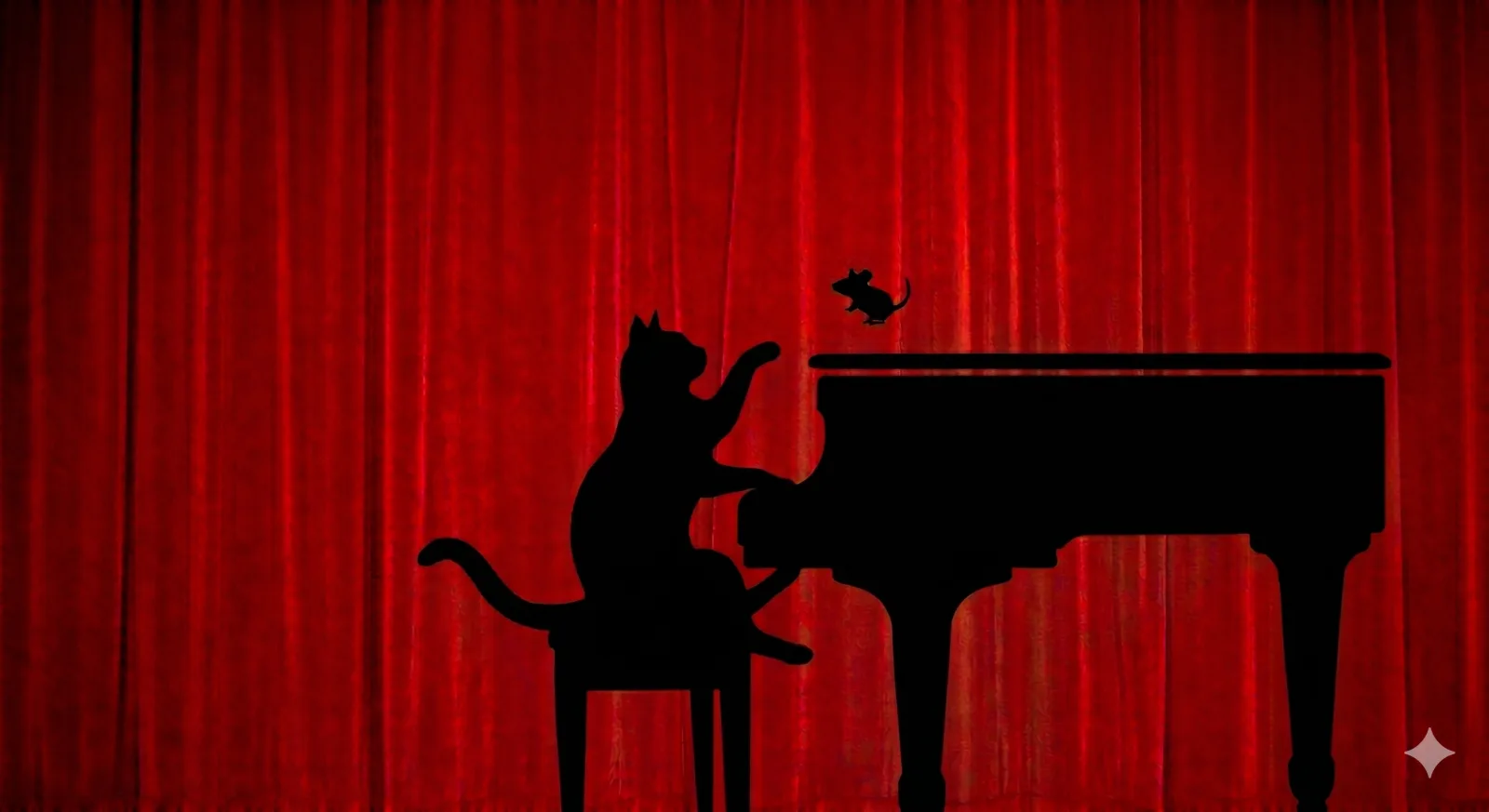
Designed for Frenzy: How a Hungarian Recruiter's Tune Won an Oscar in 1947. Liszt: Hungarian Rhapsody No.2
Franz Liszt's Hungarian Rhapsody No. 2 opens with a slow lament and accelerates into chaotic frenzy — a structure rooted in verbunkos, an eighteenth-century Hungarian recruitment music played by Romani musicians. Liszt argued in an 1859 treatise that he had preserved the genre's authentic essence, treating his Rhapsodies as a "Bohemian epic" of Romani musical expression. Earlier composers, including Haydn, Beethoven, and Schubert, had already engaged with this hybrid tradition long before Liszt's claims. A generation later, Béla Bartók rejected verbunkos as commercial fiction and turned to peasant folk songs as the "real" Hungarian music — though his concert arrangements transformed those melodies as deliberately as Liszt had transformed his sources. Across this history, what survived was not authenticity but the structural arc itself: the slow-to-fast escalation that still drives Tom's piano performance in The Cat Concerto.
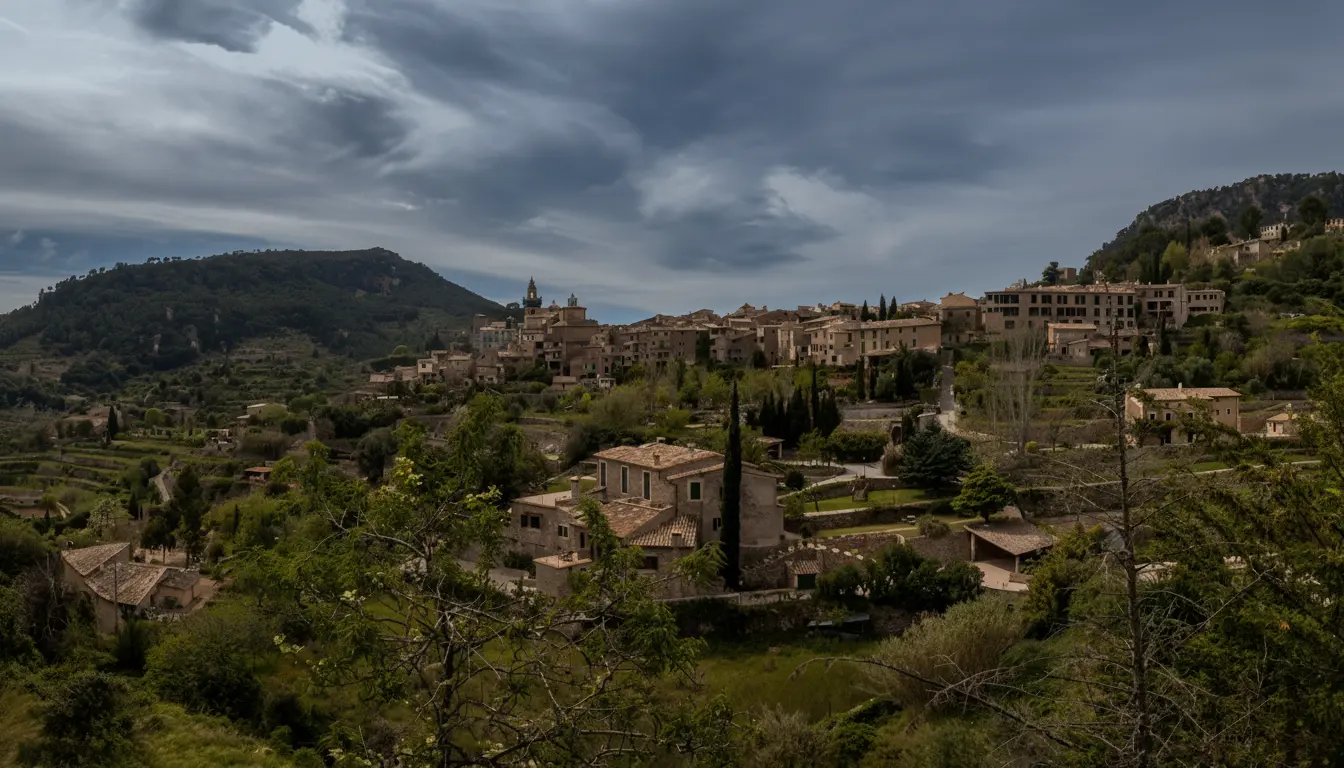
Chopin in Majorca: A Cure That Wasn't — and the 'Raindrop' Prelude
In the winter of 1838–39, Chopin and George Sand traveled to Majorca under the pretext of convalescence. What followed was a succession of ordeals drawn from primary sources: a rapid deterioration in health, a tuberculosis diagnosis that got them evicted, weeks of customs battles over a piano, and the stormy night that gave rise to the "Raindrop" Prelude legend.

Debussy "La Mer": Music That Never Tried to Sound Like the Sea
Debussy composed La Mer not to imitate the ocean, but to evoke what it feels like to be near one. Written from memory in landlocked Burgundy, shaped by Symbolist poetry, Javanese gamelan, and a deliberate break from the tradition of music that explains rather than suggests — La Mer remains one of the most radical redefinitions of what orchestral music can do.
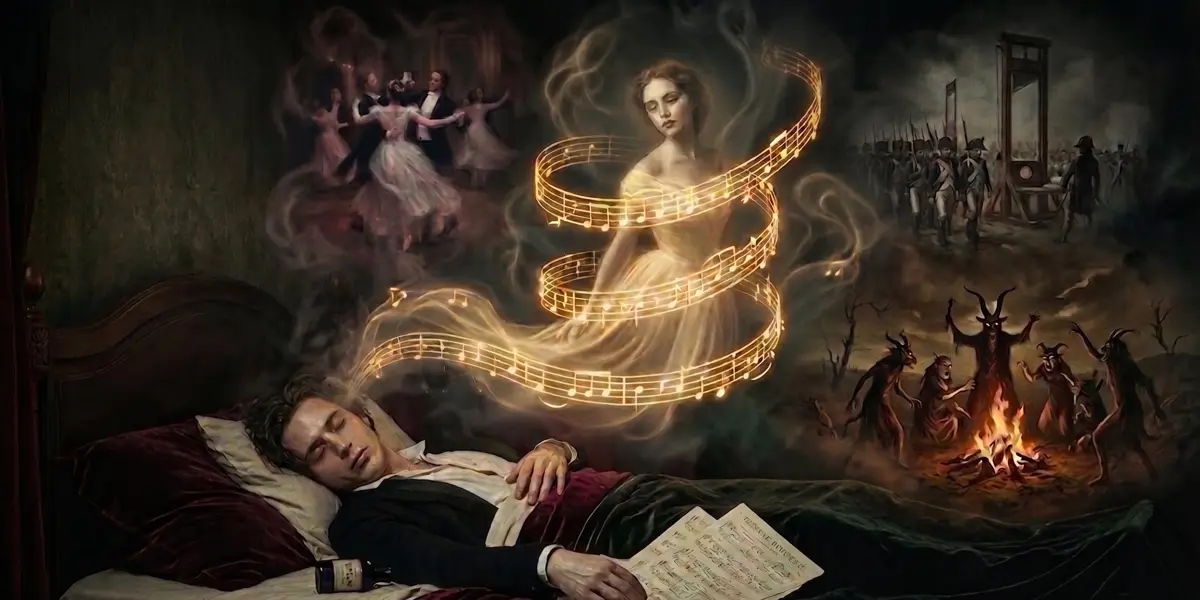
Illusion or Projection? Berlioz's Symphonie Fantastique
How a 26-year-old composer turned a symphony into a raw autobiography — tracing the real obsessions, opium dreams, and musical proposal behind the Symphonie Fantastique.
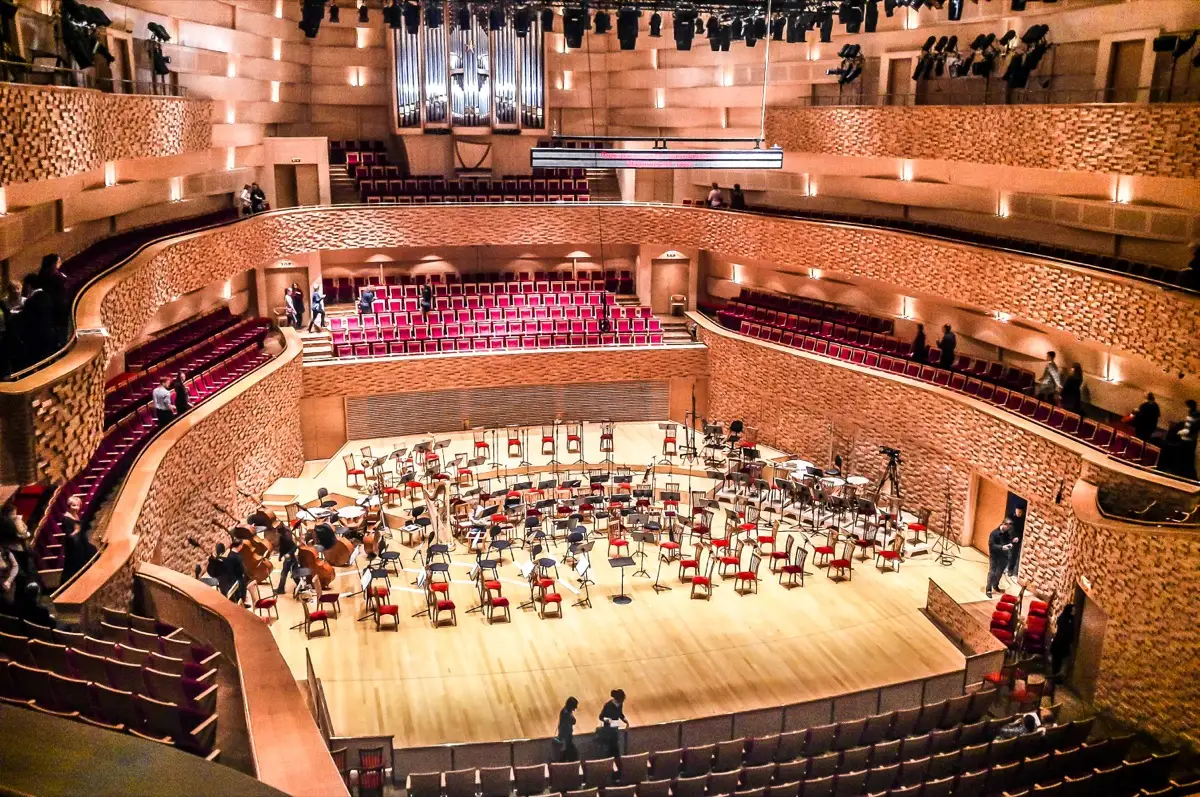
From Disaster to Triumph: Rachmaninoff's Symphony No. 2
How a catastrophic premiere, a psychological crisis, and hypnotherapy led to one of the greatest symphonic comebacks in music history.

Egyptian or Tunisian? Saint-Saëns' Piano Concerto No. 5
Why the 'Egyptian' Concerto is actually Tunisian — tracing Saint-Saëns' deep engagement with North African music.